
THE STORY OF SASI BUSH LODGE
Nestled within the breathtaking Northern Drakensberg of South Africa, Sasi Bush Lodge is located on the historic Kilburn Nature Reserve, a landscape rich in natural beauty, cultural heritage, and conservation success.
The property is currently owned through a partnership between the Vickers and Hattingh families, representing the fourth generation of custodians of this remarkable land. Originally operated as a cattle farm, Kilburn underwent a transformative journey in 2018 when the vision to restore the landscape to its natural state began. Fencing was established, the reserve was subdivided for conservation management, and wildlife, including zebra, were reintroduced to the area.
A Landscape Shaped by History
Kilburn Farm carries the legacy of many generations and cultures. Evidence of past inhabitants can still be found throughout the property in the form of ancient ruins and stone foundations.
The Zulu people constructed circular cattle kraals and round dwellings, believing that evil spirits gathered in corners. Later, Boer settlers left behind square stone structures, including milking sheds and ox-wagon shelters. Many of these historical remnants remain visible today, all built using locally sourced stone from the surrounding landscape.
The Remarkable Kilburn Dam
Sasi Bush Lodge overlooks one of South Africa’s most fascinating engineering achievements. Kilburn Dam forms part of the Tugela-Vaal Drakensberg Pumped Storage Scheme, a system that helps support the country’s electricity grid.
Hidden deep within the mountain, approximately fifty storeys below ground level, lies the underground power station. Water released from Driekloof Dam in the Free State flows through the mountains to generate electricity before reaching Kilburn Dam in KwaZulu-Natal. Together with Woodstock Dam and the Driel Barrage, this network plays an important role in balancing national energy demand.
Guests staying at Sasi Bush Lodge enjoy spectacular views of both the dam and the surrounding Drakensberg landscape, where nature and engineering coexist in harmony.
Restoring the Land
Years of overgrazing, neglect, and invasive vegetation had impacted the natural ecosystem of the farm. A key part of the lodge’s vision has been the restoration of indigenous habitats and the gradual return of native species.
Through ongoing conservation efforts, invasive plants have been removed and the natural biodiversity of the area is steadily recovering. One species in particular played a significant role in shaping the identity of the lodge: the Eland.
As one of the few indigenous large mammals that naturally remained in the area, the Eland became a symbol of resilience, restoration, and connection to the land.
The Meaning Behind the Name “Sasi”
The name Sasi (or X’asi) is derived from the Khoisan language and is associated with the San people, some of Southern Africa’s earliest inhabitants.
The San held the Eland in particularly high regard, considering it a sacred animal. Many anthropologists believe the Eland played a central role in San spirituality, ceremonies, and rock art traditions. According to local belief, aspects of the distinctive San click language may even have been inspired by the sounds made by Eland hooves moving across the landscape.
By naming the lodge Sasi, we honour both the San people, who inhabited these lands for thousands of years, and the Eland, whose enduring presence continues to define the spirit of this remarkable place.
Experience the Spirit of the Northern Drakensberg
Today, Sasi Bush Lodge offers guests more than just luxury accommodation. It provides an opportunity to connect with a landscape shaped by ancient cultures, conservation, wildlife, and the majestic beauty of the Drakensberg Mountains.
Every view, walking trail, and wildlife encounter tells part of the story of Kilburn Nature Reserve—a story of heritage, restoration, and a deep respect for the natural world.
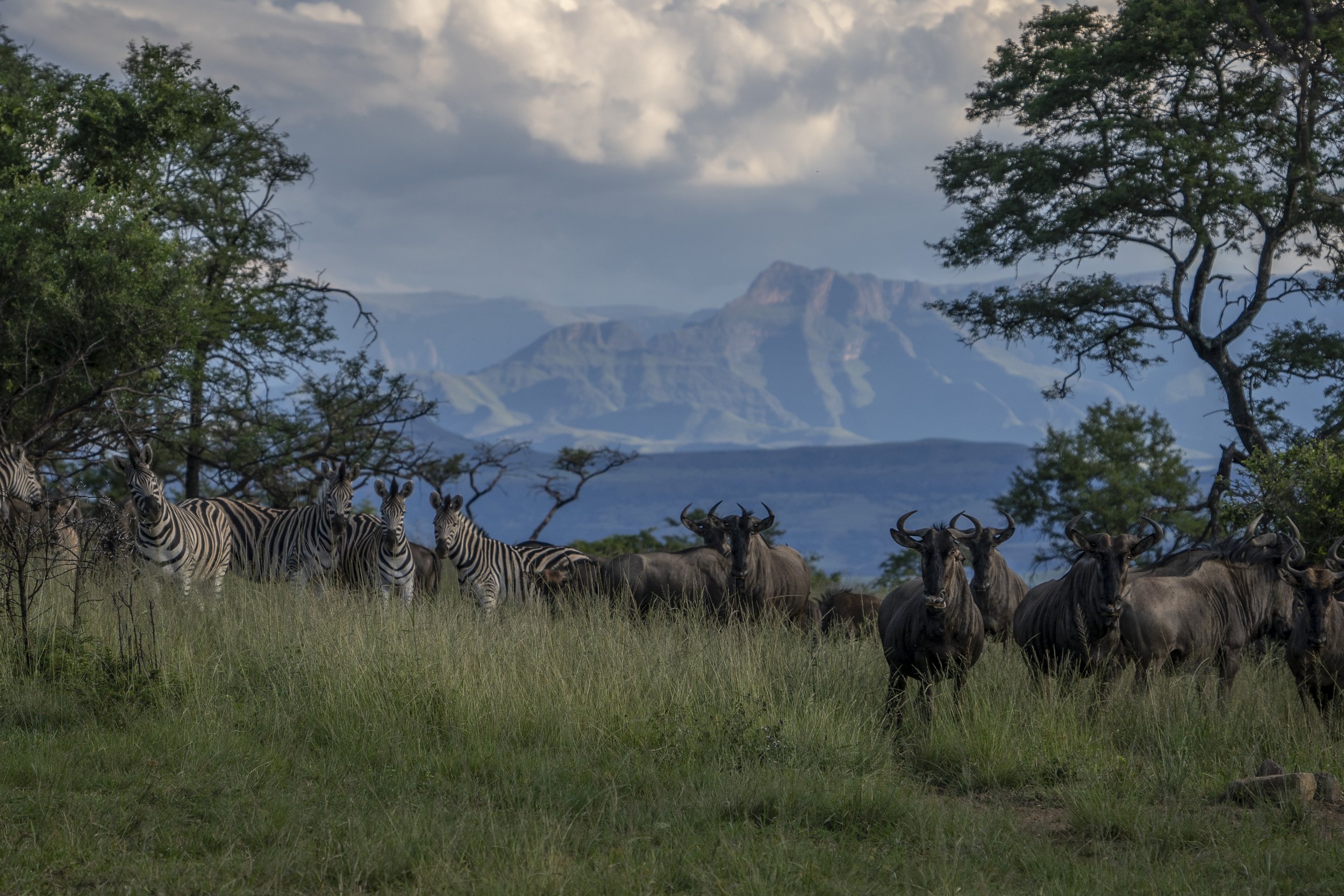
Discover the history of Sasi Bush Lodge, from ancient San heritage and Eland symbolism to conservation and the spectacular Northern Drakensberg